
Interview on TV2000: Gluten or Nocebo Effect? The Truth Behind Our Symptoms
IN SHORT
In this article, Dr. Annamaria Acquaviva, guest on the show Il Mio Medico on TV2000 hosted by Monica Di Loreto, analyzes the relationship between gluten and gastrointestinal disorders. The discussion highlights how, excluding Celiac disease and Non-Celiac Gluten Sensitivity (NCGS), many symptoms can be attributed to the nocebo effect. This psychological phenomenon induces physical discomfort (bloating, heaviness) caused by a negative expectation towards a food, rather than the food itself. The article invites readers to distinguish between biological reactions and psychological conditioning before undertaking restrictive diets.
Gluten is not the enemy for everyone
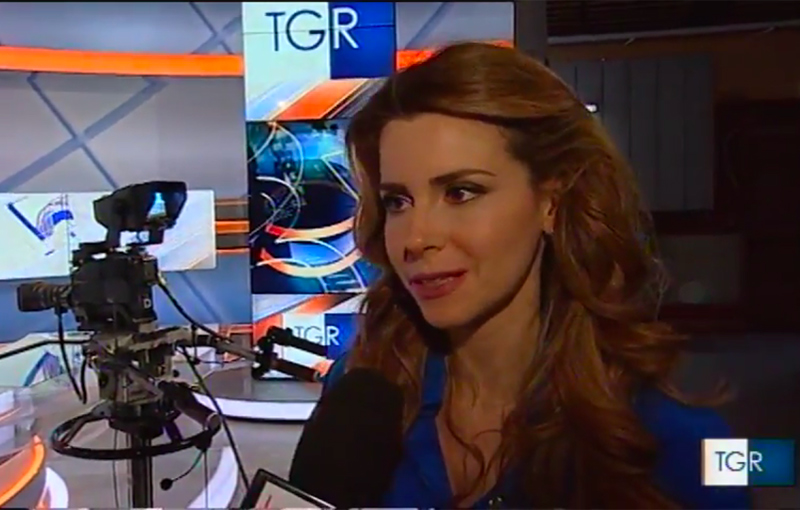
I recently had the great pleasure of returning to the TV2000 studios as a guest on the show Il Mio Medico, hosted by the wonderful Monica Di Loreto. It is always a valuable opportunity to clarify health and nutrition topics that touch our daily lives.
This time, we tackled a subject that always sparks heated debate and a lot of confusion: Gluten. Is it really the “public enemy number one” at our dinner tables, or is there something else at play when we feel bloated or weighed down?
During the episode, I wanted to emphasize a fundamental concept: gluten should not be demonized indiscriminately.
Excluding those suffering from Celiac disease (a specific autoimmune condition) or certified gluten sensitivity, for the majority of people, eliminating grains containing gluten is not only unnecessary but can be counterproductive. Yet, many patients tell me they feel unwell immediately after eating a plate of pasta or bread.
Why does this happen if clinical tests are negative?
The Power of the Nocebo Effect
This is where a fascinating and powerful psychological mechanism comes into play: the Nocebo Effect.
We are all familiar with the placebo effect (believing something will help us actually helps us heal). The nocebo effect is the exact opposite: often, what we think can drastically influence what we feel.
If we sit at the table convinced that a plate of pasta will make us bloated, our mind sends alert signals to the body. The result? We genuinely experience bloating, abdominal pain, or discomfort—not because of the gluten itself, but because of our negative expectation regarding it.
Biology or Psychology of the Plate?
How often does the mind play a role in our food choices? Much more often than we think.
During the broadcast with Monica Di Loreto, we explored this subtle boundary. Eliminating staples of the Mediterranean diet due to “trends” or self-diagnosis based on fear can deprive us of essential nutrients and rob us of the joy of conviviality.
Here are the key points I shared in the studio:
- Diagnosis before diet: Do not cut out gluten without first consulting a specialist.
- Listen to your body, not the fear: Distinguish real symptoms from suggestions induced by hearsay.
- Balance is key: A varied diet is almost always the better answer compared to restrictive diets.
The interview
If you missed the live broadcast or want to delve deeper into the topic, I invite you to watch my interview (you can find the video on YouTube and the Reel on Instagram below).
See you soon,
Dr. Annamaria Acquaviva
Video YouTube
Can I help you?
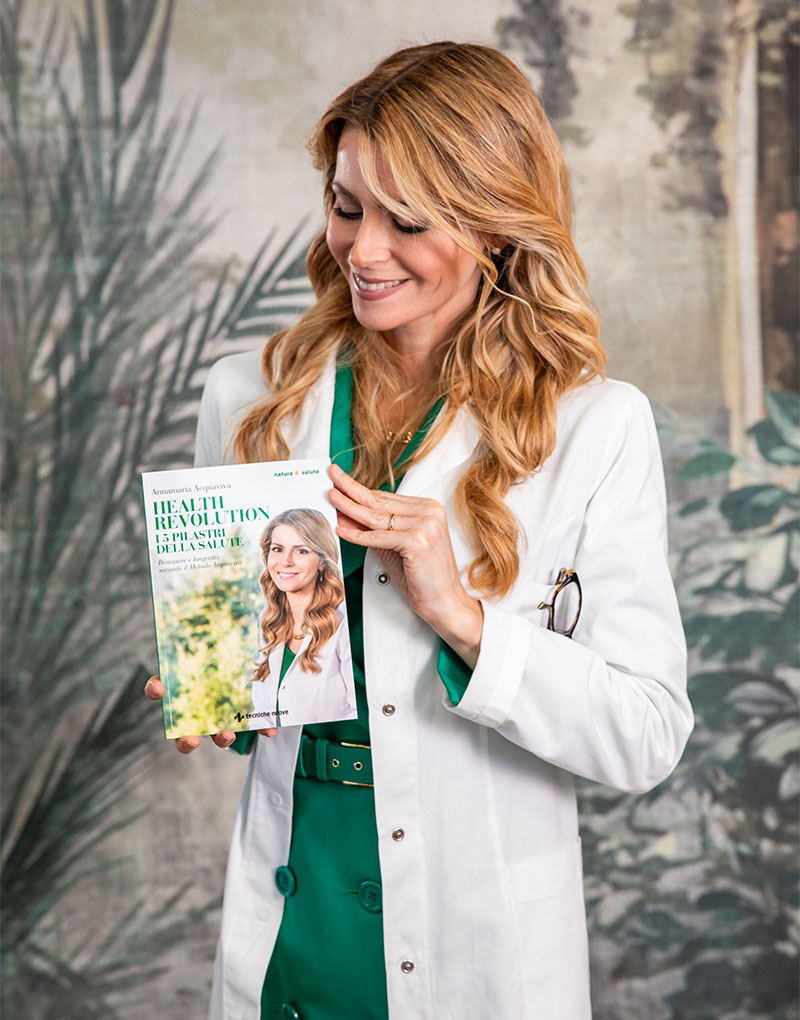
Health Revolution: the 5 pillars of health
The book where I collected tools and strategies to apply my scientific method based on the 5 pillars of health.
How to achieve balance between body and mind, helping us face life's challenges.