
Hair loss: 7 strategies for nutrition, supplements and everyday care
From seasonal changes to weight loss: why you might shed more hair and when supplements may help.
Do you notice more hair on your brush, on your pillow or in the shower drain in autumn? In my practice, an observation like this often leads to a question.
“What can I eat to strengthen my hair? Is there a supplement that might help?”
The answer varies from person to person. Before looking for the right supplement, it helps to understand why your hair is shedding.
1. Notice the pattern and consider what might be causing it
Shedding some hair every day is normal. Each hair goes through a cycle of growth, rest and shedding. You may notice more shedding at certain times of year. If it’s heavy or persistent, consider what else might be going on.
- Physical or emotional stress.
- Fever, illness or surgery.
- The months after childbirth and other hormonal changes.
- Restrictive diets, rapid weight loss or nutrient deficiencies.
- Genetic predisposition, certain health conditions or treatments.
Telogen effluvium is a form of diffuse shedding that is often temporary. Identifying the pattern helps guide the next steps. American Academy of Dermatology.
Why might you notice more hair on your brush in autumn?
The hair cycle can vary with the seasons. A study of 823 women who reported hair loss found the highest proportion of hairs in the resting phase during summer. That phase comes before shedding, which may help explain why some people notice more hair on their brush in the months that follow. If shedding is heavy or persistent, or you notice visible thinning, it’s worth looking into the cause. Kunz and colleagues, 2009.
2. Avoid crash diets: your hair needs energy
When you want to lose weight, it can be tempting to cut portions sharply. Your body still needs energy and nutrients as your weight changes. A very restrictive diet can make it harder to meet those needs and may contribute to shedding.
Eating less doesn’t have to mean missing out on the nutrients you need. If your appetite has fallen, ask yourself: “I’m eating less because I’m less hungry. Am I still eating enough for my needs?”
From crash diets to the “Ozempic effect”: why might you shed more hair when you lose weight?
The subject has also come up in conversations about the “Ozempic effect”, a popular term for changes in appearance during weight loss, particularly in the face. Some people also notice changes in their hair as their weight falls.
What’s behind it? Could it be the medication, the weight loss itself or what we’re eating?
Your weight goes down and a few months later you notice more hair on your brush. This can happen during weight loss with treatments such as semaglutide or tirzepatide.
A systematic review and meta-analysis found that hair loss was reported more often with these treatments than with placebo. Researchers are still investigating the direct role of the medication. Weight loss itself can contribute, including without medication, as can inadequate energy and nutrient intake. Systematic review and meta-analysis, 2026.
If you notice significant shedding during treatment, speak with your prescriber before making changes. Losing weight with GLP-1 medicines: benefits, limitations and strategies for everyday life.
3. Get enough protein
Hair is made largely of keratin, a protein. You can vary your protein sources with fish, eggs, dairy if you enjoy and tolerate it, beans, lentils, soya foods and meat. Grains, nuts and seeds also contribute to your daily intake.
A well-planned vegetarian or vegan diet can meet your nutritional needs. During weight loss, especially if your appetite has dropped considerably, it’s worth checking that you’re getting enough energy and protein.
4. Eat a varied diet and pay attention to deficiencies
Iron deficiency can contribute to shedding. Meat, fish, shellfish, pulses and leafy greens all provide iron. Pair plant sources with vitamin C to help your body absorb more of it. Try lentils with peppers, chickpeas with lemon juice or a kiwi after a meal with beans.
Pulses, nuts, seeds, grains and fish also contribute zinc. Vegetables, seasonal fruit and extra virgin olive oil add variety. If you suspect iron deficiency, it’s worth checking whether it’s present and finding out why before taking a supplement.
5. Hair supplements: do we reach for them too quickly?
Correcting a deficiency matters. When there’s no deficiency, evidence that taking extra vitamins improves hair growth is limited. Too much of certain vitamins and minerals can also be harmful. Ravipati and Tosti, 2026.
Biotin, a common ingredient in hair supplements, can interfere with some laboratory tests. If you take it, mention it before having blood drawn. Biotin for Hair Loss, 2024.
A supplement makes sense when it addresses a specific need.
Which supplements may help?
Iron and zinc. A targeted supplement may help when a deficiency has been confirmed. If iron stores are low, it’s also worth finding out why. American Academy of Dermatology.
Omega-3 and omega-6 with antioxidants. A study of 120 women reported improvements in hair density after six months with a specific combination. The findings apply to the formula tested, and the study couldn’t establish which ingredient contributed most. Le Floc’h and colleagues, 2015.
Pumpkin seed oil. A controlled trial in men with androgenetic alopecia reported higher hair counts with a formulation containing pumpkin seed oil. The findings apply to that form of thinning. Comparable evidence for seasonal shedding or shedding after weight loss is lacking. Cho and colleagues, 2014.
True or false?
“Washing my hair often makes it fall out.” False. Shampooing can make hairs that were already ready to shed more noticeable. How often you wash depends on your hair type and scalp.
“More vitamins mean more hair.” Vitamins can help correct a deficiency. Taking extra doesn’t guarantee thicker hair.
6. Handle your hair gently and know when to seek advice
Choose products that suit your scalp, limit excessive heat and avoid hairstyles that repeatedly pull on your hair. Protect thinning areas from the sun. A hat can help. American Academy of Dermatology hair care tips.
If shedding is sudden, heavy or persistent, or if you notice bald patches, progressive thinning, pain or redness, a doctor or dermatologist can help identify the cause. Minoxidil is an option for some types of hair loss, depending on the diagnosis.
7. Look beyond the hairbrush: think back over the past few months
Diffuse shedding can become noticeable a few months after an illness, childbirth, a period of significant stress or substantial weight loss. Before switching shampoos or buying a supplement, ask yourself what has changed in your health, your eating habits or your weight over the past few months.
Looking after your hair is one reason to pay attention to how you’re eating and feeling as your weight changes. Those changes are part of how you can assess your progress.
Further reading
- Glucagon-like peptide-1 receptor agonists and hair loss: a systematic review and meta-analysis (2026).
- Ravipati A, Tosti A. Vitamins and hair: Sham or science? (2026).
- Biotin for Hair Loss: Teasing Out the Evidence (2024).
- American Academy of Dermatology. Do you have hair loss or hair shedding?
- American Academy of Dermatology. Tips for healthy hair.
Frequently asked questions
Can I help you?
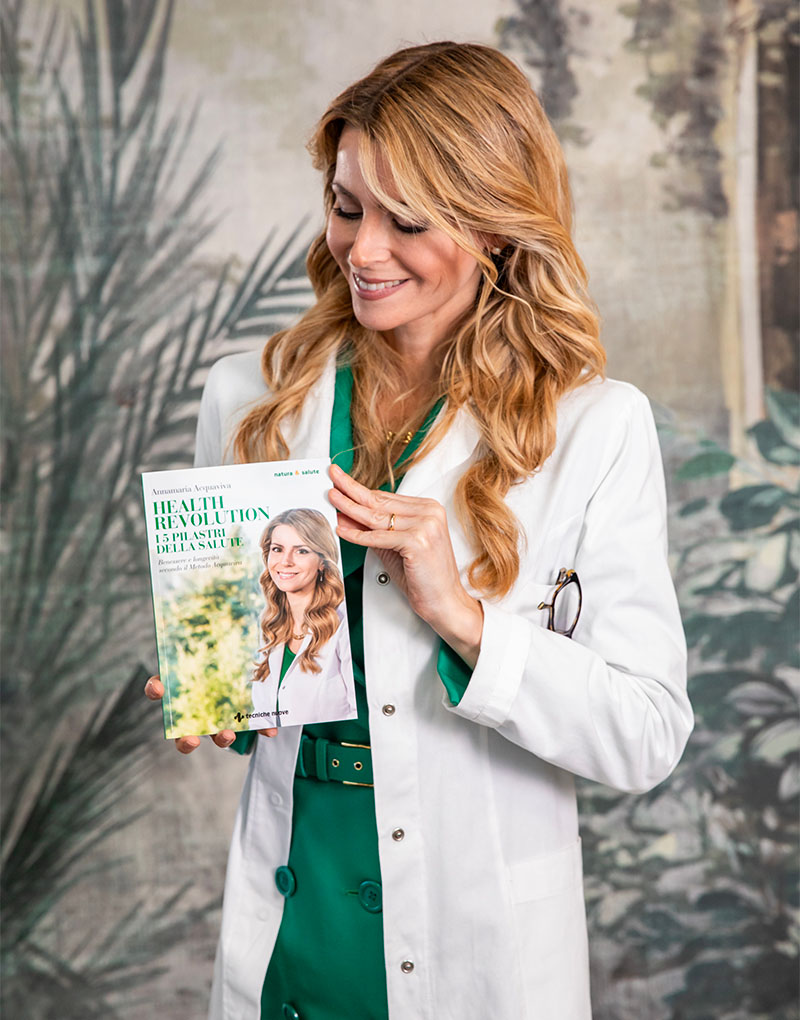
Health Revolution: the 5 pillars of health
The book where I collected tools and strategies to apply my scientific method based on the 5 pillars of health.
How to achieve balance between body and mind, helping us face life's challenges.