Sano, giusto e con gusto!: our study published in Nutrients
I am delighted to share news that means a great deal to me: our study on “Sano, giusto e con gusto!” has been published in the international scientific journal Nutrients.
This achievement has deep roots. It grew from a commitment to children’s and families’ health, strengthened over the years by collaboration between professionals, schools, and institutions.
Alongside my professional work, this non-profit commitment reflects a wish I hold close: to put my skills and time at the service of others.
Our Nutrients study: findings at 210 days
We compared two assessments, at baseline and at 210 days. The analysis included 329 children and adolescents at each assessment, together with 119 adult women at baseline and 122 at 210 days.
These comparisons concern the groups who responded, not necessarily the same people followed over time.
- Good Mediterranean diet adherence among children and adolescents: 46.8% at baseline and 61.4% at 210 days.
- Physical activity two or three times a week: 55.6% and 64.7%, respectively.
- More than three hours a day watching television or playing video games: 18.8% and 9.1%, respectively.
More favourable indicators were also observed for fruit, vegetable, and fish consumption. Among adult women, good Mediterranean diet adherence was reported by 10.9% at baseline and 35.2% at 210 days.
What can we conclude?
We used questionnaires adapted from KIDMED for children and adolescents and from PREDIMED for adults. The adherence categories of the modified KIDMED score are descriptive.
This was an uncontrolled before-and-after evaluation based on repeated cross-sectional surveys. There was no randomisation and no control group.
The findings are encouraging, but they do not demonstrate that the project caused the observed differences. Further controlled studies, following the same participants for longer periods, are needed to assess these observations.
Nutrition education for children, families, and schools
I created “Sano, giusto e con gusto!” to make scientific knowledge useful in everyday life: at the table, at home, and at school.
Together with more than one hundred dietitians who joined the project voluntarily across Italy, we developed free resources: educational worksheets, videos, games, recipes, and activities encouraging movement.
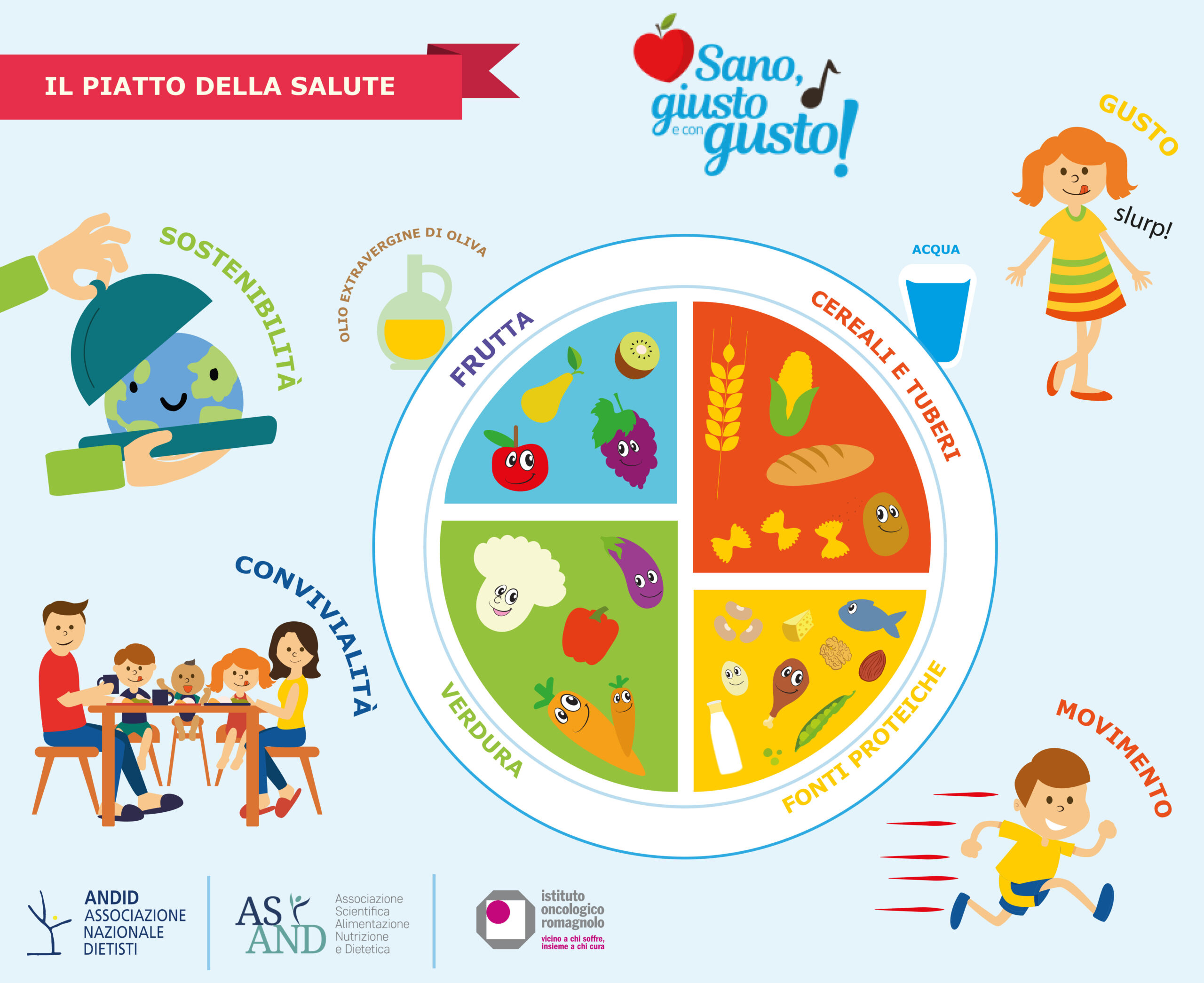
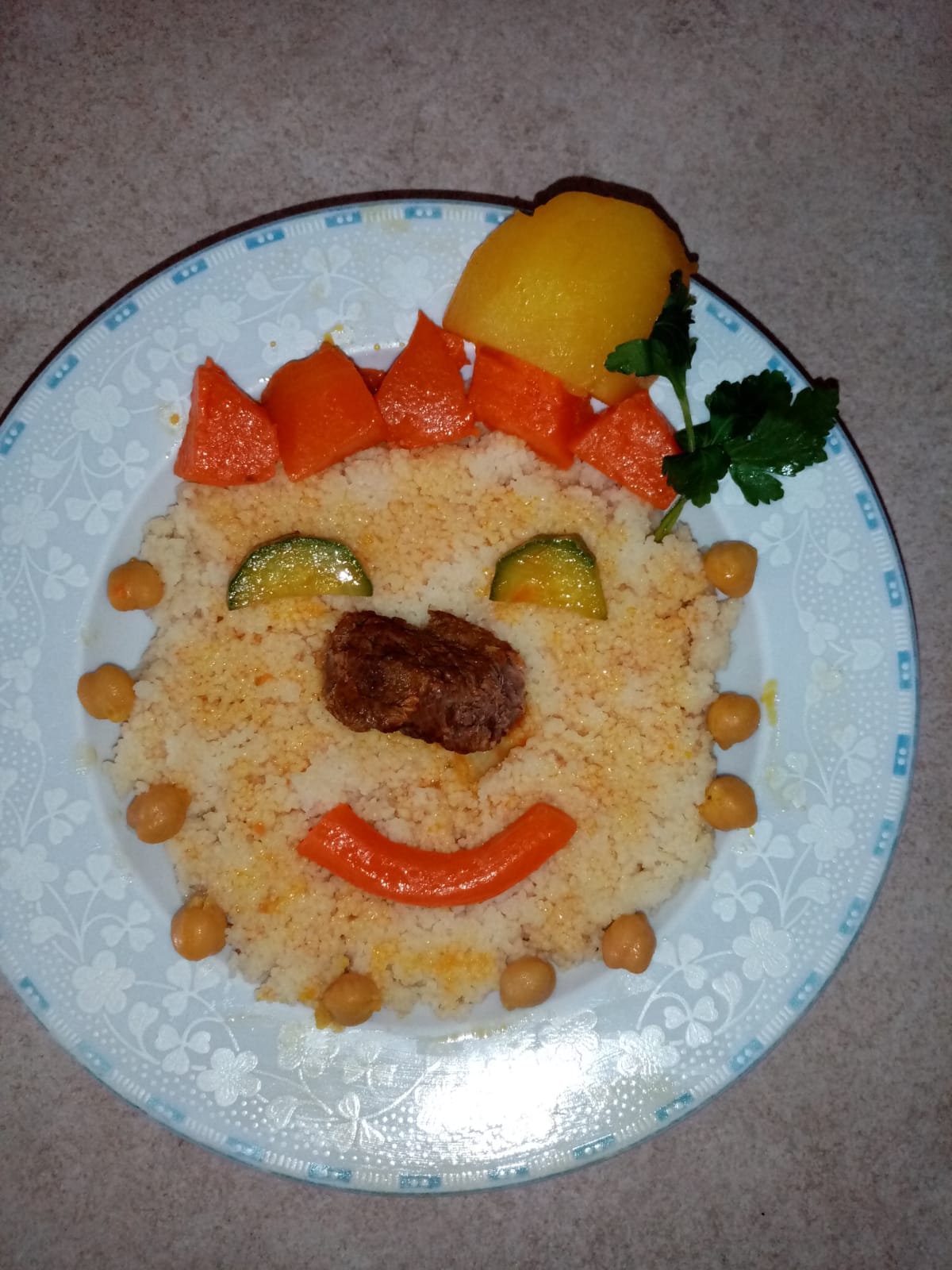
What makes this approach distinctive is the combination of professional expertise, digital resources, and shared experiences. The recipe competition, for example, invited adults and children to cook together, using a healthy plate as a reference.
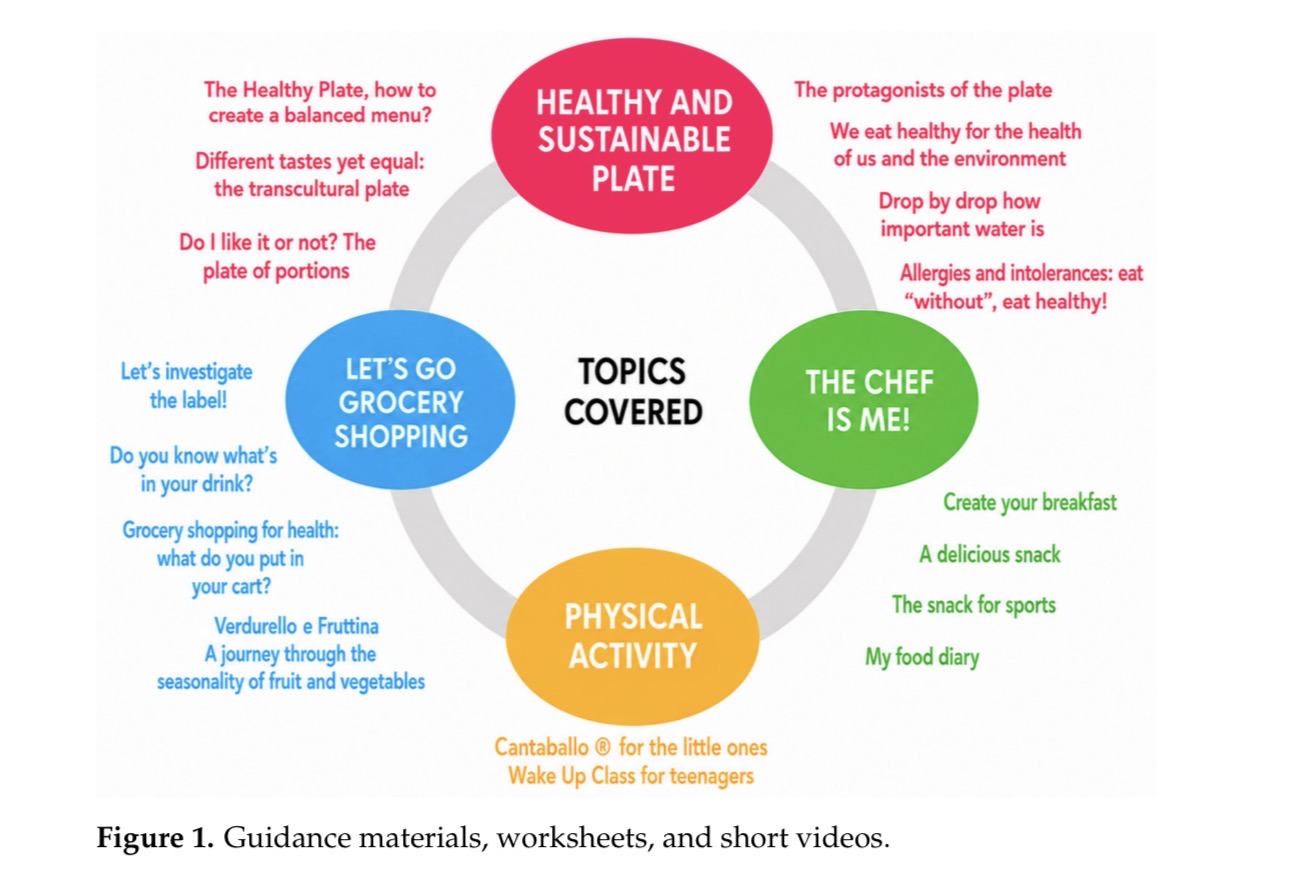
Between 2019 and 2021, the website and social media channels reached more than 91,000 users. This is a historical figure reported in the paper: the project continued afterwards and remains active today.
Two examples from the project archive
From BATMAN to Health4Children
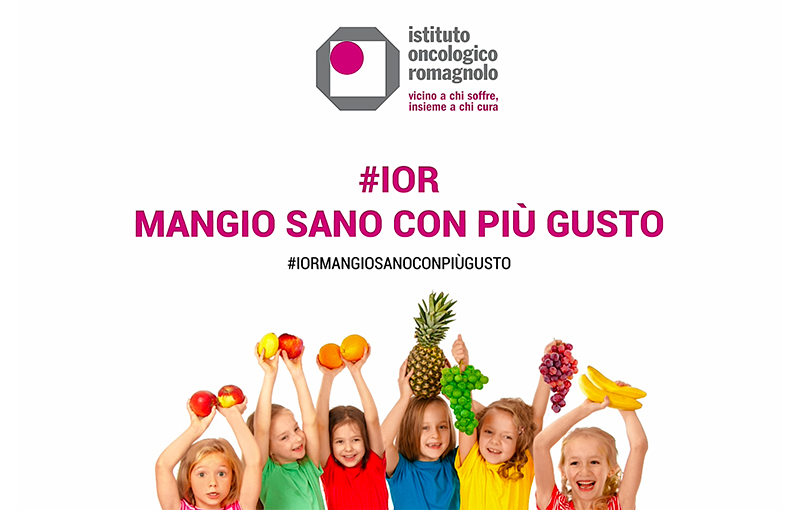
The journey began in 2016 with the BATMAN Project — Bambini A Tavola, a pilot initiative promoted by the Istituto Oncologico Romagnolo (IOR) and supported by IRST IRCCS.
Professor Dino Amadori, founder of IOR, supported this work from the outset. That first experience led to “IOR Mangio sano, con più gusto!” and the national development of “Sano, giusto e con gusto!”.
These initiatives are part of Health4Children, the non-profit initiative I founded to promote health from childhood.
An achievement shared by a team
I am grateful to dietitians Francesca Poggiante, who led the study, Mary Lista for her essential and sustained commitment, and Loreto Nemi for his scientific and creative contribution. My thanks also go to Professor Iolanda Chinellato and every author and colleague who contributed, as well as ASAND, the institutions, schools, and families involved.
This publication is not an endpoint. It is another step in a shared journey.
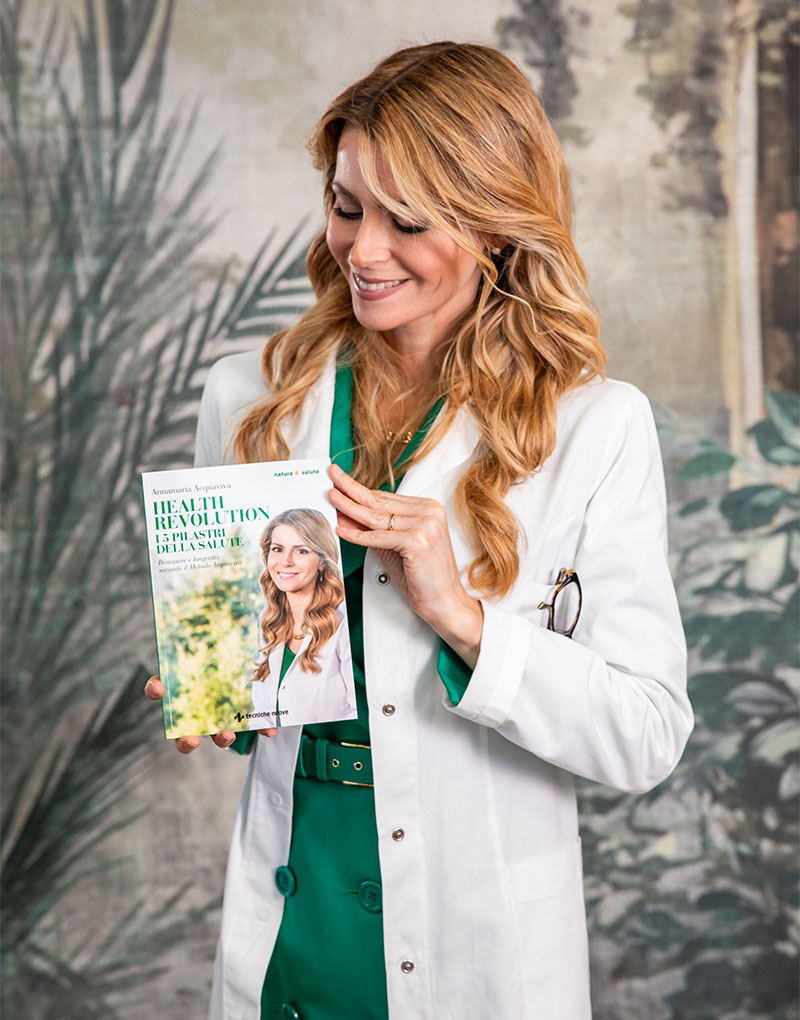
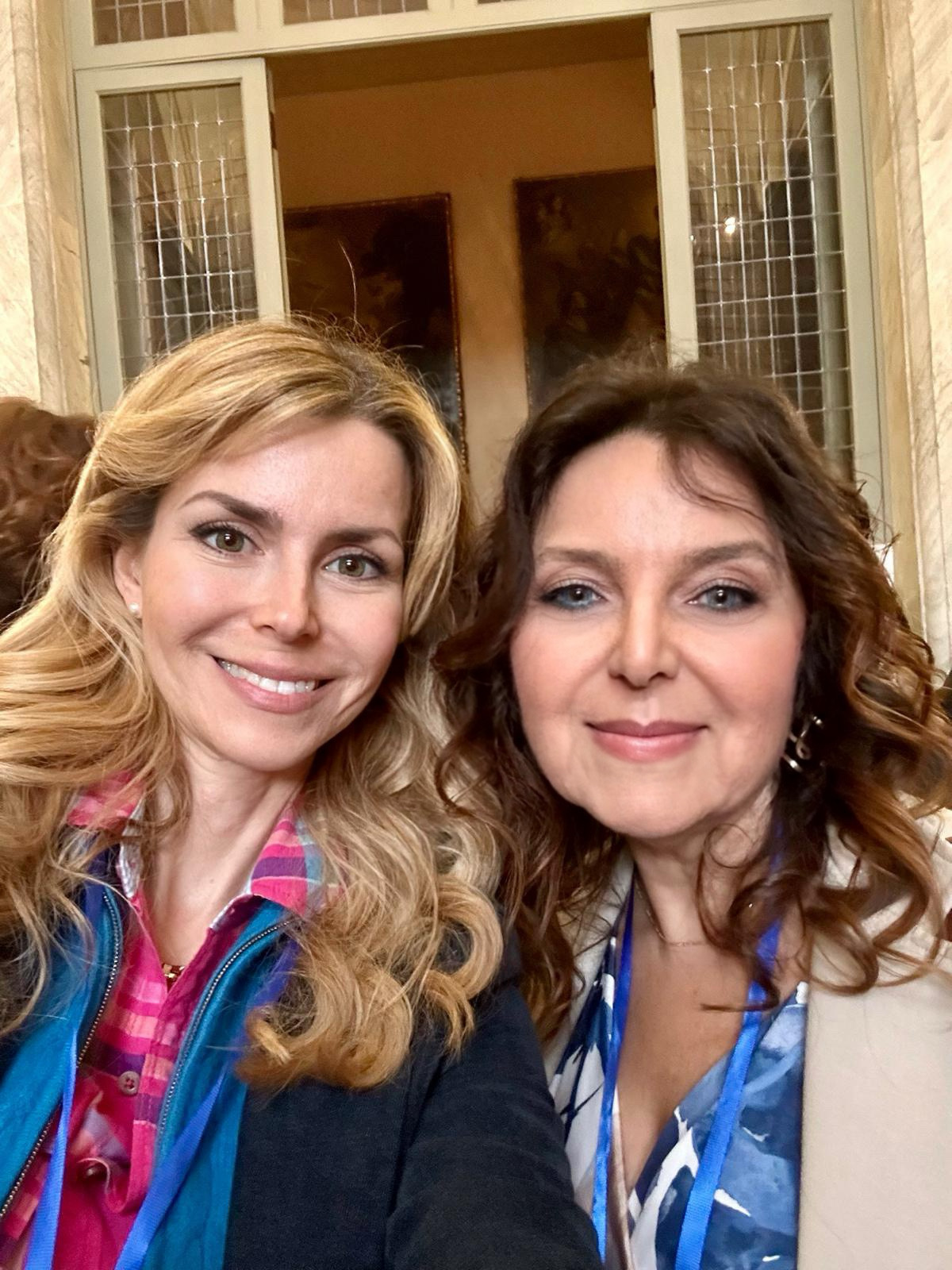
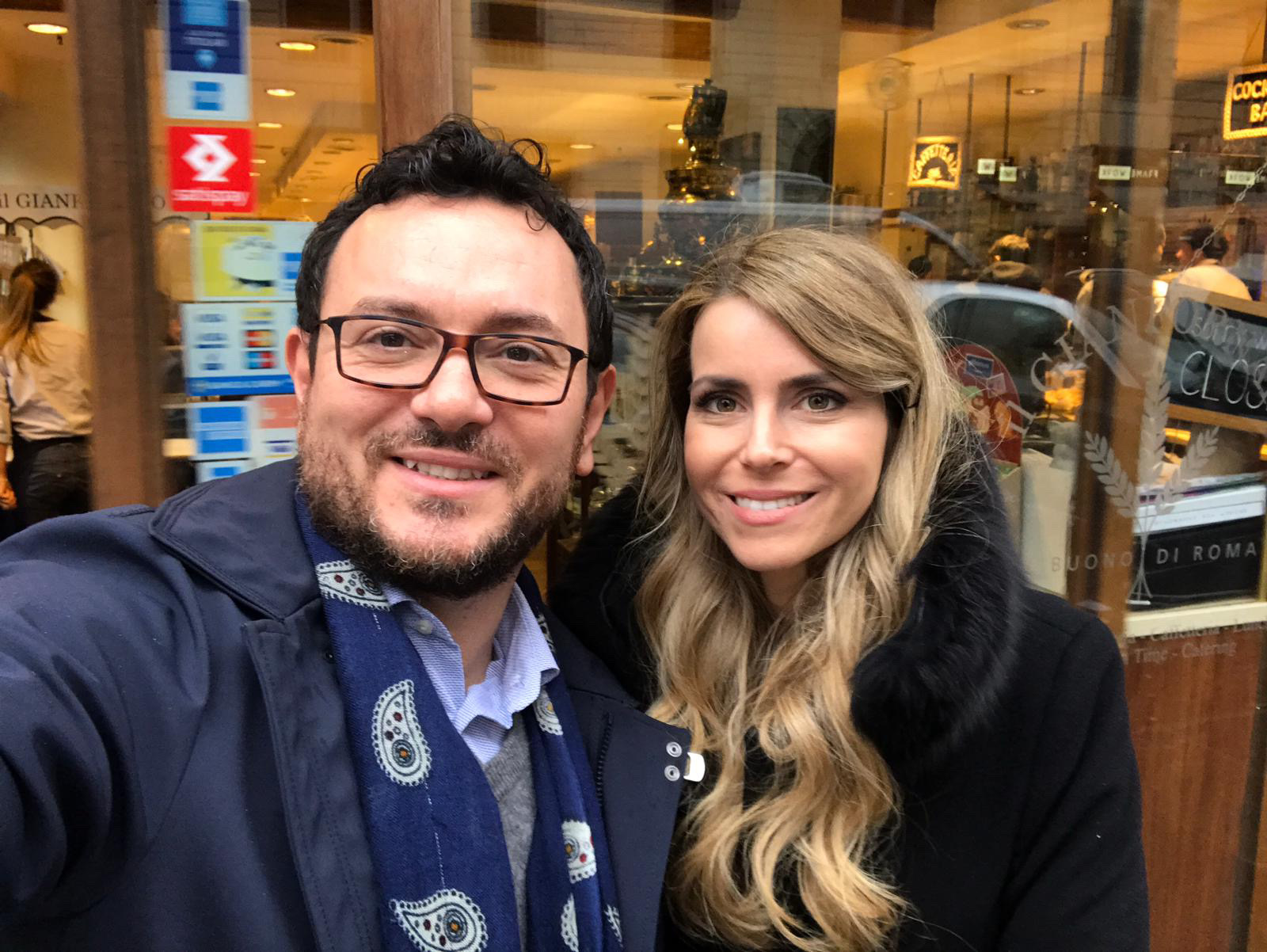
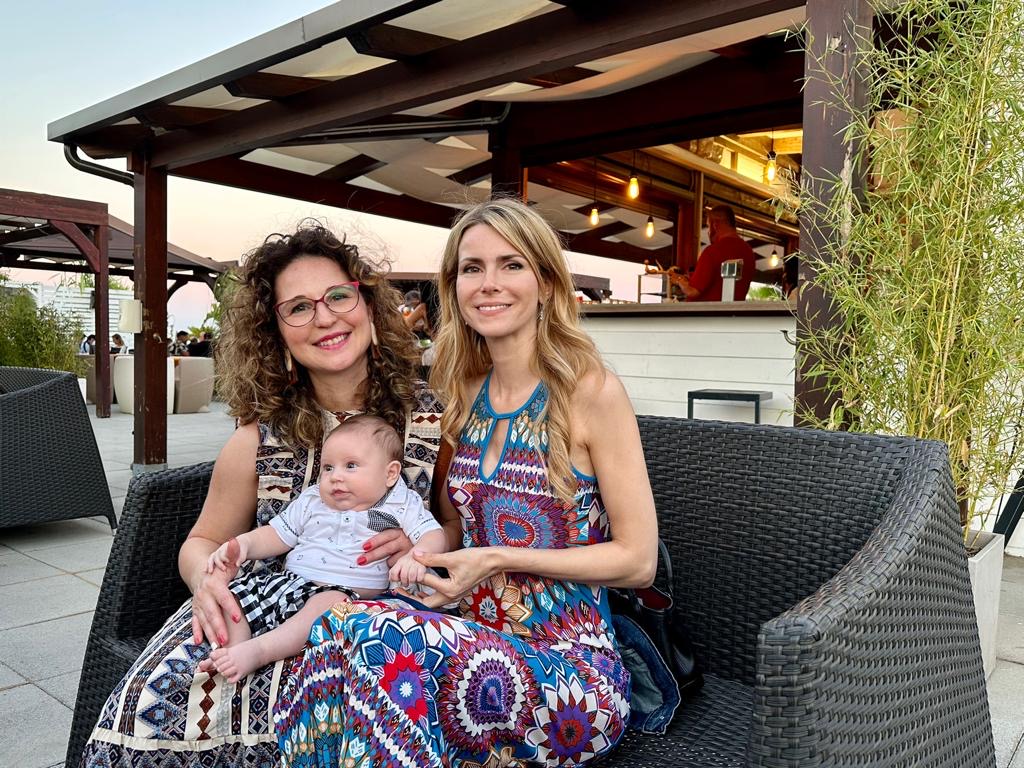
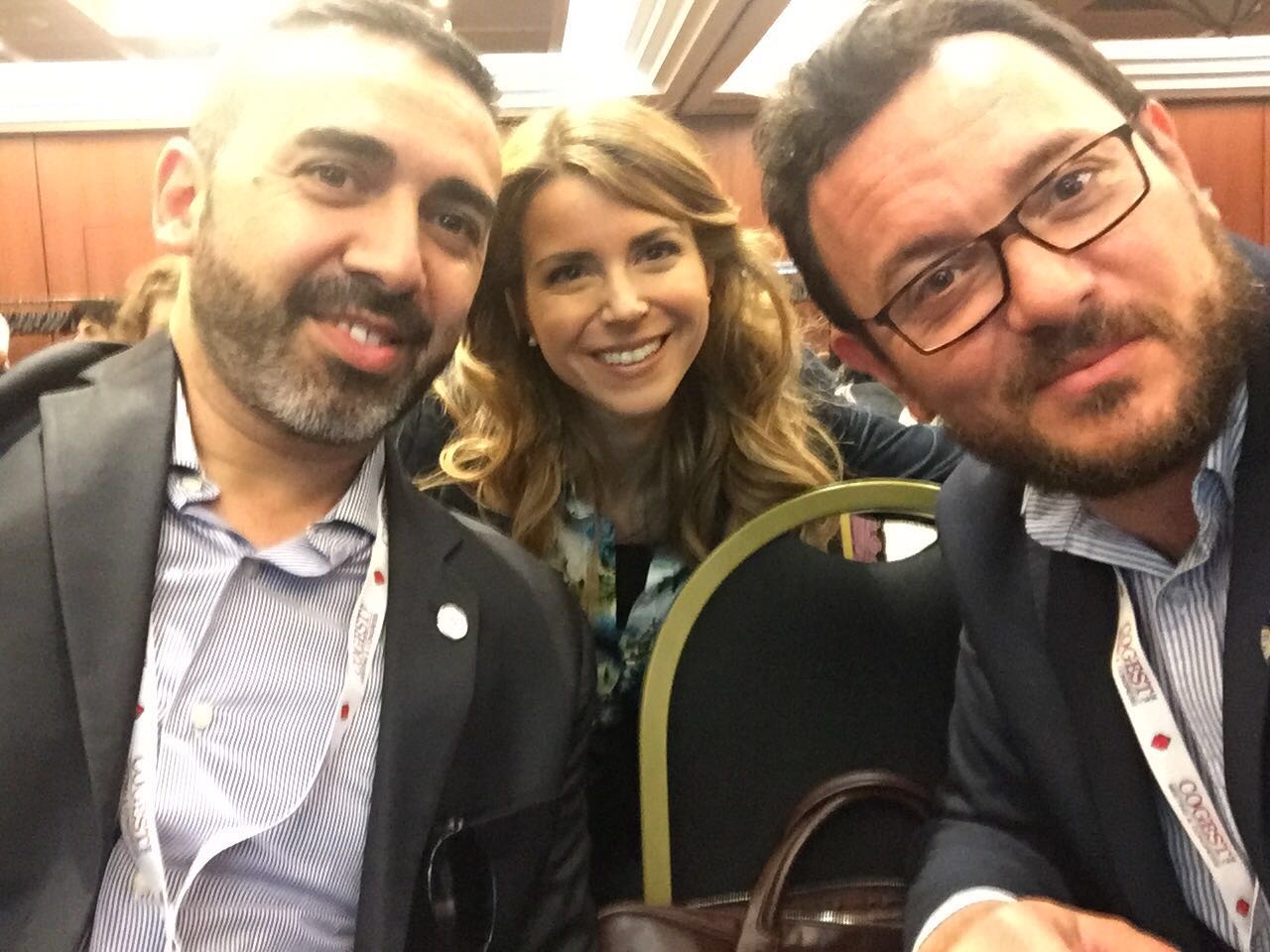
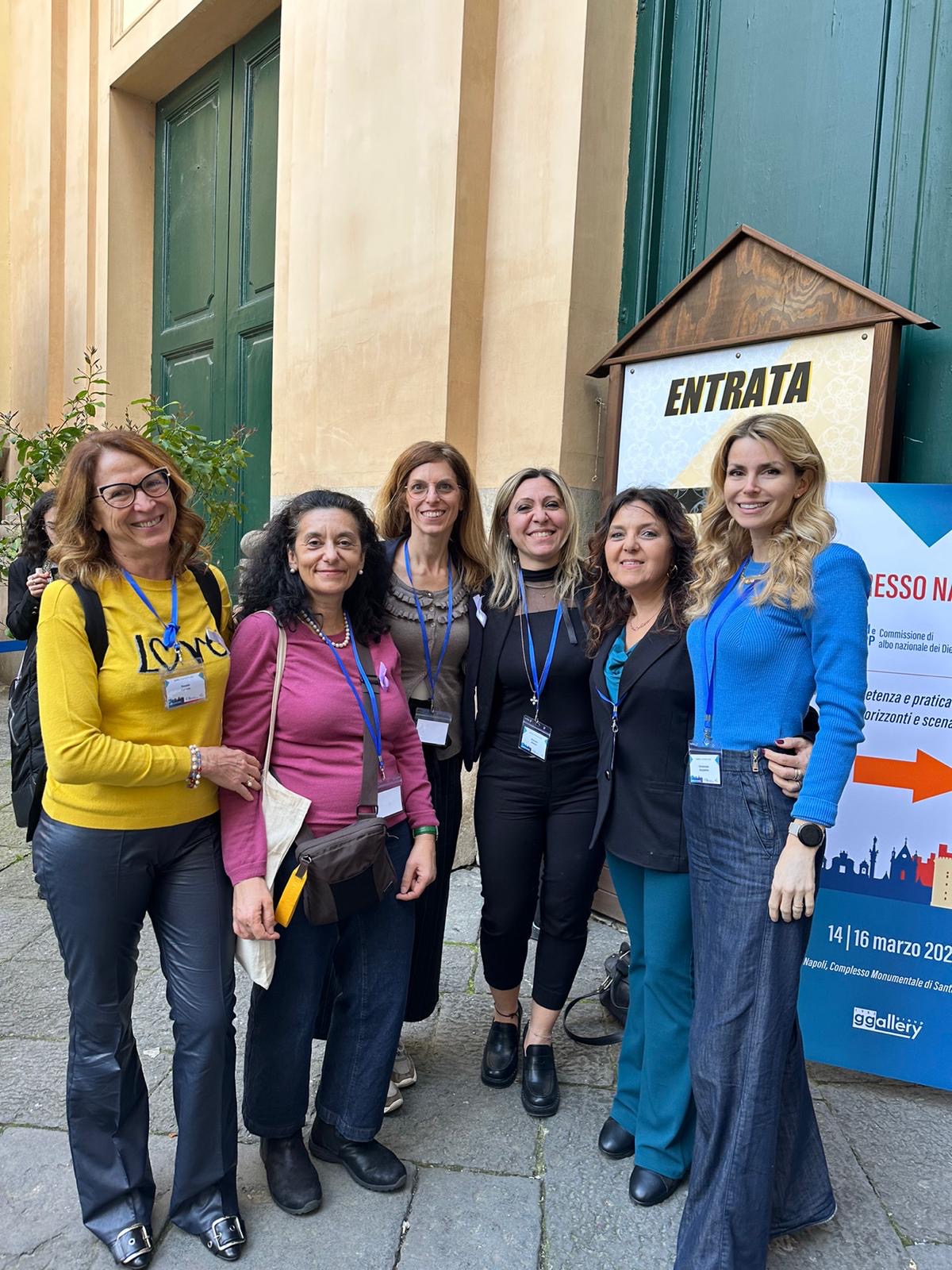
These photographs from my personal archive capture moments with some of the people who took part in the project. Open any image to view it in full.
Read the study and the press release
Leggi l’articolo e il comunicato stampa in italiano.
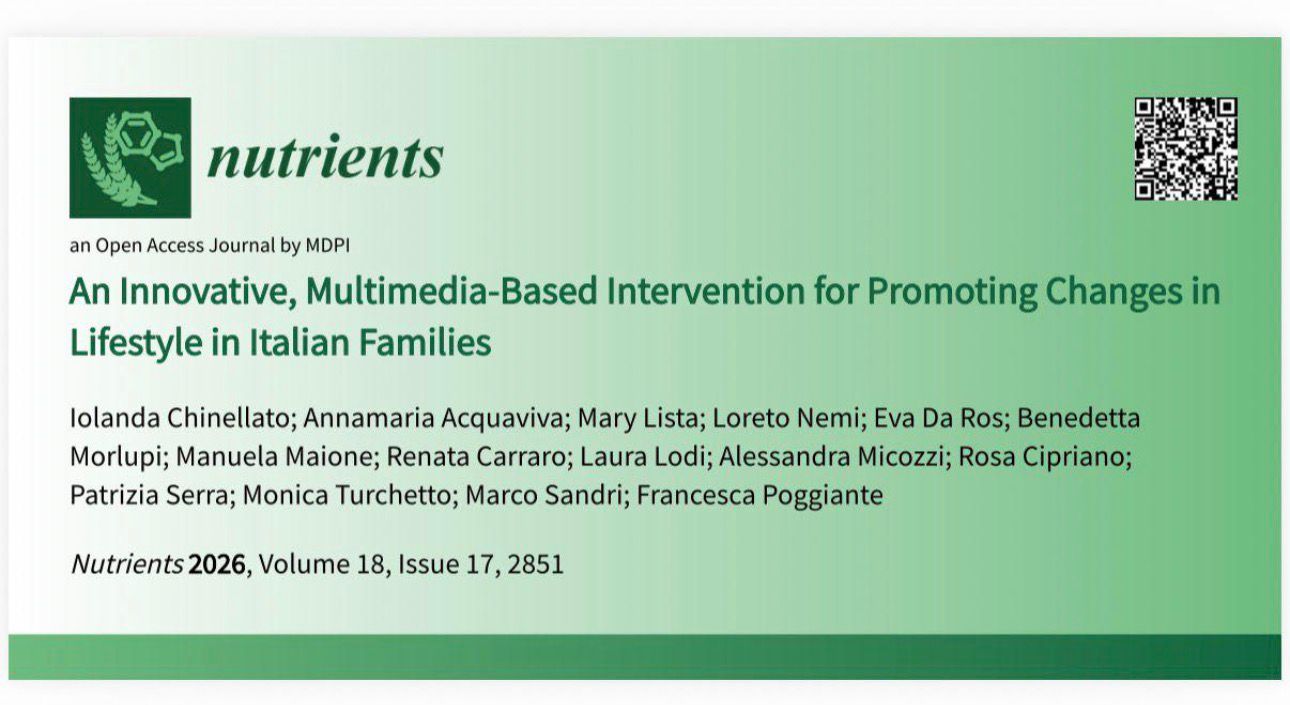
An Innovative, Multimedia-Based Intervention for Promoting Changes in Lifestyle in Italian Families. Nutrients, 2026;18(17):2851. Published on 1 September 2026.
DOI: 10.3390/nu18172851 — read the scientific paper.
Read the full press release in English
Science, education, and a network of dietitians: Nutrients publishes the study of the innovative “Sano, giusto e con gusto!” project
More favourable group-level indicators of Mediterranean diet adherence, dietary habits, and lifestyle were observed at 210 days. The project involved more than one hundred dietitians, alongside professionals, institutions, families, and schools.
The international scientific journal Nutrients has published “An Innovative, Multimedia-Based Intervention for Promoting Changes in Lifestyle in Italian Families”, a study evaluating “Sano, giusto e con gusto!”, an Italian nationwide nutrition education and healthy lifestyle project for children, adolescents, and families.
Among children and adolescents, good Mediterranean diet adherence was reported by 46.8% of the baseline respondent group and 61.4% of the group assessed at 210 days. The educational programme evaluated in the study took place within one school year.
“This publication is the result of a collective effort built over time through collaboration between professionals and institutions, with the aim of bringing nutrition education into the everyday lives of children and families. The journey began thanks to Professor Dino Amadori, founder of the Istituto Oncologico Romagnolo (IOR) and the driving force behind the Istituto Romagnolo per lo Studio dei Tumori ‘Dino Amadori’ (IRST IRCCS), who was the first to believe in the value of this project.
Together with the more than one hundred fellow dietitians I involved across Italy, we developed free, scientifically grounded resources, voluntarily placing our expertise and experience at the service of children’s and families’ health.
This commitment continues: we want to make these resources accessible to more families and strengthen collaboration between professionals, schools, and institutions,” says Annamaria Acquaviva, the project’s creator.
Francesca Poggiante, scientific lead and coordinator of the study, explains:
“The findings are of particular interest: at 210 days, we observed more favourable group-level indicators across several dimensions relevant to health, from Mediterranean diet adherence and dietary habits to physical activity and less time spent in front of screens. The consistency of these observations across several lifestyle behaviours gives value to the work and opens up interesting avenues for further investigation.
The observational design naturally calls for caution when interpreting the results and does not allow us to attribute all the observed changes to the intervention with certainty. Nevertheless, these observations are encouraging and provide an important basis for further research through controlled longitudinal studies, following the same participants over longer periods, to assess the reproducibility and long-term sustainability of the findings.”
The observed findings
Mediterranean diet adherence was assessed using online questionnaires adapted from KIDMED for children and adolescents and from PREDIMED for adult women. In the younger group, the adherence categories of the modified KIDMED score have a descriptive purpose.
Among children and adolescents, 55.6% reported physical activity two or three times a week at baseline, compared with 64.7% at 210 days. The proportions reporting more than three hours a day watching television or playing video games were 18.8% and 9.1%, respectively.
Daily fruit consumption was reported by 72.3% at baseline and 84.2% at 210 days; daily vegetable consumption by 60.5% and 78.4%; and regular fish consumption by 45% and 57.8%, respectively.
Among adult women, the median PREDIMED score was 7.0 at baseline and 9.0 at 210 days. Good Mediterranean diet adherence was reported by 10.9% and 35.2%, respectively. Median body mass index was 24.7 kg/m² in the baseline group and 23.4 kg/m² in the group assessed at 210 days. Like the other findings, these data must be interpreted in light of the observational design.
An innovative approach to health education
One innovative element of “Sano, giusto e con gusto!” is its integration of a nationwide network of dietitians, digital resources, and practical activities shared by families and schools. Social media, a dedicated website, and educational materials bring scientific information beyond traditional channels. Accessible language, close to everyday experience, supports the nationwide dissemination of scientifically grounded guidance on healthy eating and lifestyles.
Between 2019 and 2021, content shared through the website and social media reached more than 91,000 users. The project continued in subsequent years and remains active.
Organisations that have supported the project include ASAND — Associazione Scientifica Alimentazione, Nutrizione e Dietetica — a technical-scientific association committed to promoting and sharing knowledge in nutrition.
Learning through science, play, and participation
The project offers children, adolescents, families, teachers, and educators free short videos, information sheets, playful learning worksheets, games, quizzes, crosswords, riddles, stories, video fairy tales, and downloadable resources.
Topics include the Mediterranean diet, balanced meals, breakfast, seasonality, environmental sustainability, food labels, discovering and tasting unfamiliar foods, and preparing and sharing meals.
The recipe competition invited adults and children to cook healthy, enjoyable dishes together, encouraging active participation, tasting, and shared meal preparation as educational and relational experiences.
Nutrition and movement: Cantaballo®
Physical activity is also encouraged through Cantaballo®, created by Rosa Cipriano, which combines music, singing, and dance. This activity is described in the study. Cipriano also contributed the music and choreography for the project’s theme song, providing a playful way for adults and children to move together.
From BATMAN to a national network
The journey began in 2016 with BATMAN — Bambini A Tavola — an observational nutrition education pilot promoted by the Istituto Oncologico Romagnolo (IOR) and supported by the Istituto Romagnolo per lo Studio dei Tumori (IRST IRCCS). It explored the difficulties faced by families in adopting healthy eating and lifestyles for children living with overweight or obesity.
The work continued through “IOR Mangio sano, con più gusto!” and the national development of “Sano, giusto e con gusto!”. Family involvement, food tasting, and children’s participation in meal preparation were among the principles emerging from the pilot experience that informed the later project.
Interpreting the scientific findings
The study was an uncontrolled before-and-after evaluation based on repeated cross-sectional surveys. Respondents at baseline and 210 days came from the same project population but were not necessarily the same individuals. There was no randomisation or control group. The data therefore describe group-level differences and do not allow all the observed changes to be attributed to the intervention with certainty.
A shared contribution from professionals and researchers
The work leading to publication brought together expertise in nutrition education, paediatrics, communication, and data analysis.
Annamaria Acquaviva, a dietitian and nutritionist and Scientific Director of Palazzo di Varignana, is affiliated in the paper with the Istituto Oncologico Romagnolo (IOR) in Forlì. She created and leads the project and founded Health4Children, a non-profit initiative dedicated to children’s health.
Francesca Poggiante provided the study’s scientific leadership and coordination and contributed to the conception and design of the manuscript. She brought experience gained at the Paediatric Clinic of the University of Naples Federico II and in nutrition education programmes delivered in municipalities across Campania.
Mary Lista, a dietitian in the paediatric obesity outpatient clinic at San Pio Hospital in Castellaneta (ASL Taranto), played an important role in sustaining the work through to publication, from data collection to initial interpretation. Loreto Nemi, a dietitian and nutritionist and adjunct lecturer at Università Cattolica del Sacro Cuore and UniCamillus University, contributed to the initial data analysis and to educational content on lifestyle and sustainability through his scientific and creative input.
Critical revision of the manuscript involved Iolanda Chinellato, first author and Head of Paediatrics and Neonatology at San Pio da Pietrelcina Hospital in Castellaneta; Alessandra Micozzi, Full Professor of Applied Economics at Universitas Mercatorum; and Patrizia Serra, Clinical Research Coordinator in the Biostatistics and Clinical Studies Unit at the Istituto Romagnolo per lo Studio dei Tumori “Dino Amadori” (IRST IRCCS). Marco Sandri, of the University of Brescia’s BODaI-Lab, contributed to the statistical analysis and critical revision of the manuscript for publication in Nutrients.
Data collection also involved dietitians Eva Da Ros in Vittorio Veneto, Benedetta Morlupi in Corciano, Manuela Maione at Ospedale del Mare in Naples, Renata Carraro in Brescia, Laura Lodi in Carpi, and Monica Turchetto in Milan. Rosa Cipriano of Pompei, creator of Cantaballo®, also contributed.
Support for project activities
Over the course of its development, “Sano, giusto e con gusto!” has received support for project activities from Palazzo di Varignana and Palazzo di Varignana Food.
The project continues: an invitation to schools and institutions
The project continues its activities and welcomes contributions to its development from schools, local authorities, healthcare institutions, and organisations working in health promotion. Collaboration may include sharing educational resources, developing local programmes, and supporting new activities and scientific evaluations. For information and collaboration proposals: sanogiustoecongusto@gmail.com.
The paper
An Innovative, Multimedia-Based Intervention for Promoting Changes in Lifestyle in Italian Families.
Nutrients, 2026;18(17):2851. Published on 1 September 2026. DOI: 10.3390/nu18172851.
Authors: Iolanda Chinellato, Annamaria Acquaviva, Mary Lista, Loreto Nemi, Eva Da Ros, Benedetta Morlupi, Manuela Maione, Renata Carraro, Laura Lodi, Alessandra Micozzi, Rosa Cipriano, Patrizia Serra, Monica Turchetto, Marco Sandri, and Francesca Poggiante.
Sources and further reading
The project on the Istituto Oncologico Romagnolo website · Sano, giusto e con gusto! project website
BATMAN Project: IRST archive, 2016 · Project and professional network: AITO · Videos and resources: Emilia-Romagna Region
These project resources are in Italian. The scientific paper is available in English.
Let’s continue this journey together
To explore initiatives dedicated to children’s health, discover Health4Children and share this article with parents, teachers, and anyone who may find the project useful.
Do you represent a school, organisation, or institution and wish to discuss a collaboration? Email sanogiustoecongusto@gmail.com.
Alone we go fast; together we go far.
Scopri come posso aiutarti
Health Revolution: i 5 pilastri della salute
Il libro dove ho raccolto strumenti e strategie per applicare il mio metodo scientifico basato sui 5 pilastri della salute.
Come raggiungere l’equilibrio tra corpo e mente, aiutandoci ad affrontare le sfide della vita.